

Symposium
Agenda
2027 Special Needs Planning Symposium.
Opportunity
Sponsorships Available
Get your company or brand in front of leading fiduciaries and special needs attorneys during this intimate event, held at the luxury venue Meritage Resort & Spa, Feb 4-6, 2027
Day One
Thursday, Feb. 4th, 2027


Check-in
Registration and Continental Breakfast
7:30am – 8:30am
Welcome Sponsor:
Aspiriant
Breakfast Sponsor:
Bishop Fiduciary Services
Welcome Sponsor:
Aspiriant
Breakfast Sponsor:
Bishop Fiduciary Services
Optional
Fiduciary Pre-Session
Sponsored by PFAC
This pre-session program is designed to provide SNT fiduciaries with a solid foundation in the fundamentals of special needs trust administration. The program is divided into several focused segments, allowing attendees to tailor their experience based on their existing knowledge. Participants may choose to attend individual segments.
Optional
Attorney Pre-Session
Sponsored by Fisher Fiduciary Services, Inc
This pre-session is designed for attorneys seeking to deepen their understanding of key aspects of special needs planning. The program is divided into focused segments, offering flexibility for attendees to choose the topics most relevant to their practice. Participants may attend individual segments based on their level of experience or specific areas of interest.

Kevin Urbatsch
(Pre-Session) – Fundamentals of Public Benefits for Persons with Disabilities
8:30am – 10:30am
Every session at this Symposium assumes you understand how public benefits work. The drafting sessions assume you know what disqualifies a beneficiary. The distribution sessions assume you know what counts as income and what counts as a resource. The housing sessions assume you know how Section 8 interacts with trust payments. This is the session that builds the foundation.
We will walk through the core programs that support individuals with disabilities: Supplemental Security Income (SSI), Social Security Disability Insurance (SSDI), Childhood Disabled Beneficiary Benefits (CDB), Medi-Cal, Medicare, CalFresh, and Section 8 Housing. For each program, we will cover who qualifies, what they receive, what threatens eligibility, and how the programs interact with each other and with the special needs trusts you draft and administer.
We will also address the rules that have changed since last year, including the ongoing impact of California’s restored Medi-Cal asset test, current SSI income and resource counting, and the Section 8 asset rules now in effect. Whether this is your first Symposium or your tenth, this session gives you the shared language and current knowledge that the rest of the program builds on.
Every session at this Symposium assumes you understand how public benefits work. The drafting sessions assume you know what disqualifies a beneficiary. The distribution sessions assume you know what counts as income and what counts as a resource. The housing sessions assume you know how Section 8 interacts with trust payments. This is the session that builds the foundation.
We will walk through the core programs that support individuals with disabilities: Supplemental Security Income (SSI), Social Security Disability Insurance (SSDI), Childhood Disabled Beneficiary Benefits (CDB), Medi-Cal, Medicare, CalFresh, and Section 8 Housing. For each program, we will cover who qualifies, what they receive, what threatens eligibility, and how the programs interact with each other and with the special needs trusts you draft and administer.
We will also address the rules that have changed since last year, including the ongoing impact of California’s restored Medi-Cal asset test, current SSI income and resource counting, and the Section 8 asset rules now in effect. Whether this is your first Symposium or your tenth, this session gives you the shared language and current knowledge that the rest of the program builds on.

Break Visit with Exhibitors
10:30am – 10:50am
Sponsored by:
Sponsored by:
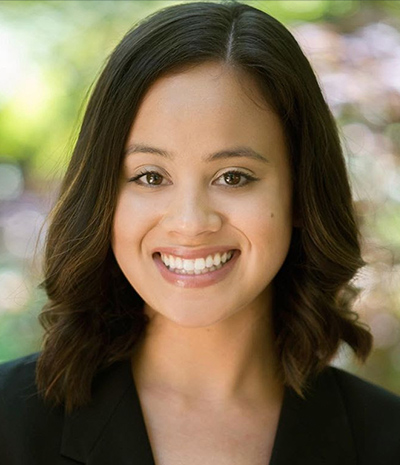
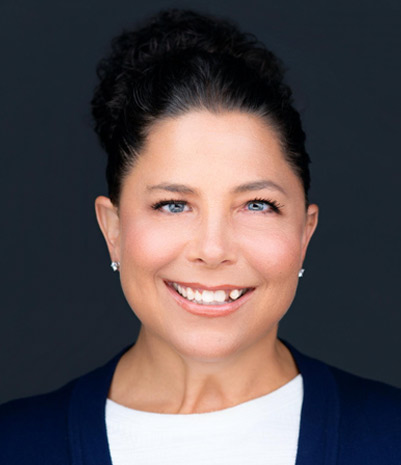

Jess Jones, Heather Fisher and John Balquist
(Fiduciary Topic) – Saying Yes, Saying No, Saying Why: A Workshop on Hard SNT Disbursement Decisions
10:50am –12:05pm
Some calls are easy. Uber to the doctor, yes. Porsche in the driveway, no. Everything between those two answers is the job, and this workshop is about the job.
A parent asks the trust to pay for a family vacation. A beneficiary wants a $60,000 vehicle when $25,000 would suffice. A sibling wants reimbursement for caregiving services rendered before the trust received funds. A beneficiary with mental illness refuses services but demands cash. A remainder beneficiary calls to ask why the trust is spending so much. Each is a real request a real fiduciary had to answer, document, and defend.
This workshop puts you in the driver’s seat. We will run a series of requests drawn from actual administrations and work the analysis on each. Sole benefit. SSI and Medi-Cal impact. Spending plan fit. Discretion under the instrument. Then the harder questions. How you say no to a request that is legal but unwise. How you say yes to one that will upset the family. How you document the reasoning so the file tells the story three years from now when someone asks why you made the call.
You will leave with a framework for the next request that lands on your desk, and the documentation habits that protect the administration when the call is questioned.
Some calls are easy. Uber to the doctor, yes. Porsche in the driveway, no. Everything between those two answers is the job, and this workshop is about the job.
A parent asks the trust to pay for a family vacation. A beneficiary wants a $60,000 vehicle when $25,000 would suffice. A sibling wants reimbursement for caregiving services rendered before the trust received funds. A beneficiary with mental illness refuses services but demands cash. A remainder beneficiary calls to ask why the trust is spending so much. Each is a real request a real fiduciary had to answer, document, and defend.
This workshop puts you in the driver’s seat. We will run a series of requests drawn from actual administrations and work the analysis on each. Sole benefit. SSI and Medi-Cal impact. Spending plan fit. Discretion under the instrument. Then the harder questions. How you say no to a request that is legal but unwise. How you say yes to one that will upset the family. How you document the reasoning so the file tells the story three years from now when someone asks why you made the call.
You will leave with a framework for the next request that lands on your desk, and the documentation habits that protect the administration when the call is questioned.
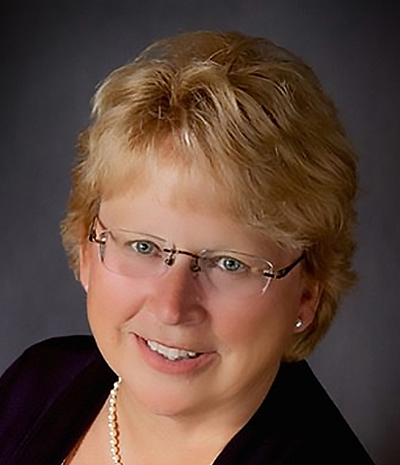
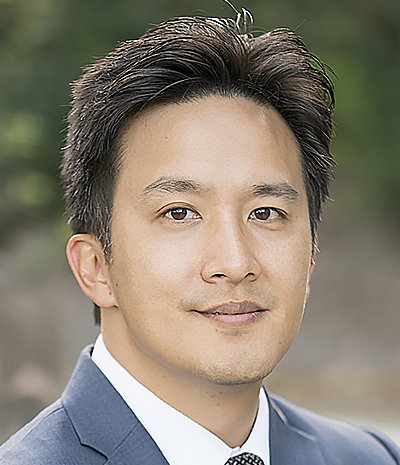
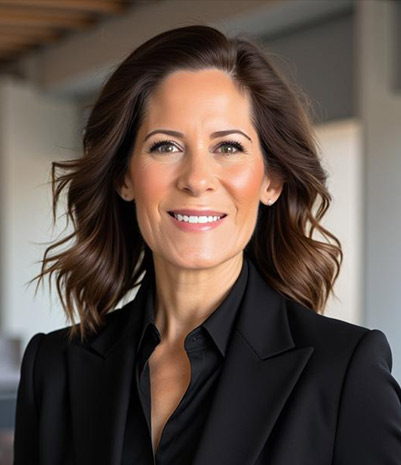
Ann Koerner, Jeremy Lau, and Michele Fuller
(Attorney Topic) First the Life, Then the Money, Then the Law: How the Special Needs Planning Team Works
10:50am –12:05pm
Most special needs plans are built backwards. An attorney drafts a trust. A financial advisor is asked to invest what is in it. And somewhere down the line, someone finally asks what the beneficiary’s life is actually supposed to look like. The result is a technically compliant document that nobody knows how to use. A trust in search of a purpose.
This session flips the script.
A care manager, a financial planner, and a special needs attorney will build a complete plan from the ground up, in the order the work should actually be done. The audience will follow a single composite family through every step. First, the care manager sits down with the family and maps out what the beneficiary’s life looks like across the decades ahead. Then the financial planner takes that life and turns it into a funding plan that will actually pay for it. Only then does the attorney step in to build the legal structure that holds everything together.
But a plan is not a document. It is a living arrangement that has to survive everything life is going to throw at it. The session will close with the part of the work that most plans never get to. The team will stress test the plan against the things that actually happen: a parent dies sooner than expected, the beneficiary’s condition changes, a sibling steps back from a role the plan assumed they would fill, the funding underperforms, a trustee resigns. And the team will show how an ongoing review cadence, with the same three professionals at the table, catches those changes early and adjusts the plan before a crisis forces the adjustment.
Most special needs plans are built backwards. An attorney drafts a trust. A financial advisor is asked to invest what is in it. And somewhere down the line, someone finally asks what the beneficiary’s life is actually supposed to look like. The result is a technically compliant document that nobody knows how to use. A trust in search of a purpose.
This session flips the script.
A care manager, a financial planner, and a special needs attorney will build a complete plan from the ground up, in the order the work should actually be done. The audience will follow a single composite family through every step. First, the care manager sits down with the family and maps out what the beneficiary’s life looks like across the decades ahead. Then the financial planner takes that life and turns it into a funding plan that will actually pay for it. Only then does the attorney step in to build the legal structure that holds everything together.
But a plan is not a document. It is a living arrangement that has to survive everything life is going to throw at it. The session will close with the part of the work that most plans never get to. The team will stress test the plan against the things that actually happen: a parent dies sooner than expected, the beneficiary’s condition changes, a sibling steps back from a role the plan assumed they would fill, the funding underperforms, a trustee resigns. And the team will show how an ongoing review cadence, with the same three professionals at the table, catches those changes early and adjusts the plan before a crisis forces the adjustment.
Networking Lunch
12:05 p.m. – 1:15 p.m.
Sponsored by:
Full Circle Fiduciary
Sponsored by:
Full Circle Fiduciary
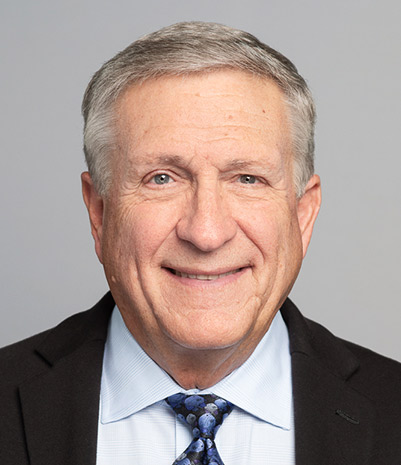
James Huyck
(Fiduciary Topic) Keeping Your Beneficiary in the Community: Navigating In-Home Supportive Services, Regional Centers, Vocational Rehabilitation, and College Disability Programs
1:15 pm – 2:30 pm
Every special needs trust exists inside a larger system. In‑Home Supportive Services pays the caregiver who shows up each morning. Regional Centers fund day programs, respite, and behavioral supports. The Department of Rehabilitation builds the path to employment. Disabled Students Programs and Services opens the door to community college. None of these programs run themselves. They require applications, renewals, appeals, and constant coordination, and when the fiduciary does not understand them, beneficiaries can lose services that no trust distribution can replace.
This session is designed for professional fiduciaries who administer SNTs but need a clearer picture of the public benefit systems those trusts rely on. For each program, we will discuss who qualifies, how to gain and keep eligibility, what commonly triggers loss of services, and how trust distributions interact with program rules. We will also address practical questions that arise in day‑to‑day administration: When should the trust pay for something a public program ought to cover? When does a distribution risk reducing IHSS hours or other services? How do you advocate when a Regional Center plan is inadequate? What is the fiduciary’s role when a denial must be appealed?
You will leave with a working knowledge of four core programs your beneficiaries depend on and a clearer sense of where the trust’s responsibilities end and the public system’s obligations begin.
Every special needs trust exists inside a larger system. In‑Home Supportive Services pays the caregiver who shows up each morning. Regional Centers fund day programs, respite, and behavioral supports. The Department of Rehabilitation builds the path to employment. Disabled Students Programs and Services opens the door to community college. None of these programs run themselves. They require applications, renewals, appeals, and constant coordination, and when the fiduciary does not understand them, beneficiaries can lose services that no trust distribution can replace.
This session is designed for professional fiduciaries who administer SNTs but need a clearer picture of the public benefit systems those trusts rely on. For each program, we will discuss who qualifies, how to gain and keep eligibility, what commonly triggers loss of services, and how trust distributions interact with program rules. We will also address practical questions that arise in day‑to‑day administration: When should the trust pay for something a public program ought to cover? When does a distribution risk reducing IHSS hours or other services? How do you advocate when a Regional Center plan is inadequate? What is the fiduciary’s role when a denial must be appealed?
You will leave with a working knowledge of four core programs your beneficiaries depend on and a clearer sense of where the trust’s responsibilities end and the public system’s obligations begin.
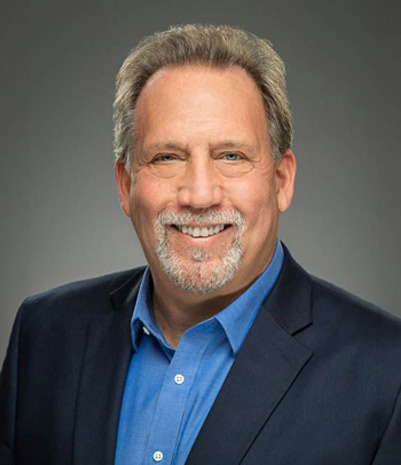
Aaron Feldman
(Attorney Topic) Drafting Third-Party Special Needs Trusts: Structure, Strategy & Real-World Clarity
1:15 – 2:30 pm
Whether you have never drafted an SNT or have done dozens but want to ensure you’re doing it right, this session will ground you in the essential principles of third-party SNT drafting. This session will cover the structure, purpose, and planning role of third-party SNTs, focusing on how to draft clearly and compliantly while supporting the beneficiary’s long-term independence and benefit eligibility. It will cover the essential provisions, the optional provisions (and when to use them), and how to avoid the common pitfalls that can unintentionally compromise benefits. Whether you are new to this work or refining your drafting for more complex scenarios, this session will help you elevate your documents and confidence
Whether you have never drafted an SNT or have done dozens but want to ensure you’re doing it right, this session will ground you in the essential principles of third-party SNT drafting. This session will cover the structure, purpose, and planning role of third-party SNTs, focusing on how to draft clearly and compliantly while supporting the beneficiary’s long-term independence and benefit eligibility. It will cover the essential provisions, the optional provisions (and when to use them), and how to avoid the common pitfalls that can unintentionally compromise benefits. Whether you are new to this work or refining your drafting for more complex scenarios, this session will help you elevate your documents and confidence
Break Visit with Exhibitors
2:30 p.m. – 3:00 p.m.
Sponsored by:
Sponsored by:
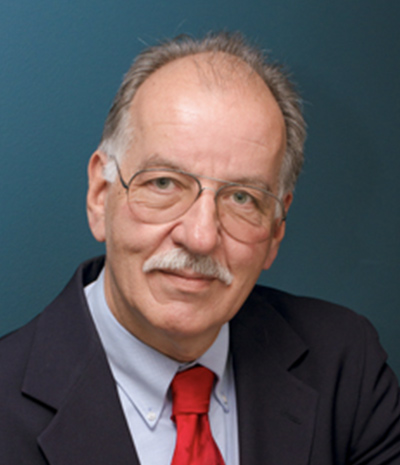
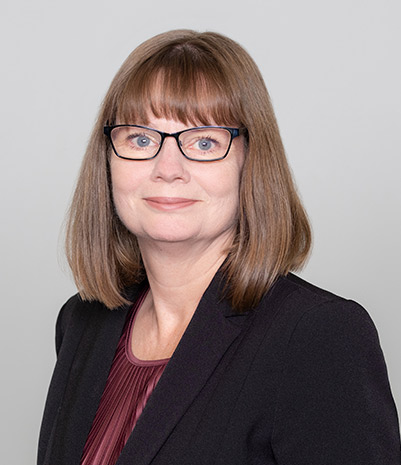
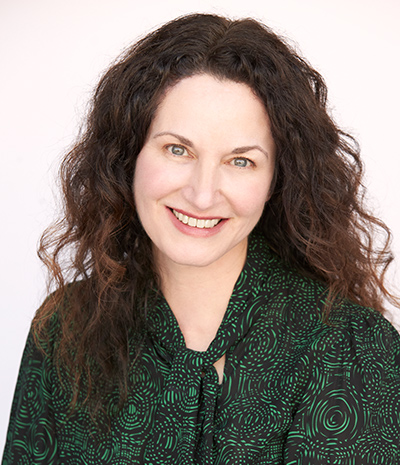
Frank Acuña, Tracy Regli, and Lisa Soloway
(Fiduciary Topic) The Fiduciary’s Nightmare File: When You Inherit a Special Needs Mess from a Prior Trustee
3:00 p.m. – 4:15 p.m.
Successor fiduciaries are increasingly being asked to step into SNTs that were administered without regard for the beneficiary’s public benefits, the trustee’s fiduciary duties, or the basic recordkeeping requirements of California law. The damage is often substantial by the time a successor is appointed: missing or fabricated records, undocumented distributions, unreported caregivers, suspended SSI and Medi-Cal benefits, unfiled fiduciary income tax returns, and beneficiaries who no longer trust the institution of trusteeship. This session provides California professional fiduciaries with a structured methodology for assessing the damage upon appointment, identifying when and to whom the predecessor’s conduct must be reported, insulating the successor from liability for inherited breaches, and rebuilding both the financial integrity of the trust and the working relationship with the beneficiary and the beneficiary’s family.
Successor fiduciaries are increasingly being asked to step into SNTs that were administered without regard for the beneficiary’s public benefits, the trustee’s fiduciary duties, or the basic recordkeeping requirements of California law. The damage is often substantial by the time a successor is appointed: missing or fabricated records, undocumented distributions, unreported caregivers, suspended SSI and Medi-Cal benefits, unfiled fiduciary income tax returns, and beneficiaries who no longer trust the institution of trusteeship. This session provides California professional fiduciaries with a structured methodology for assessing the damage upon appointment, identifying when and to whom the predecessor’s conduct must be reported, insulating the successor from liability for inherited breaches, and rebuilding both the financial integrity of the trust and the working relationship with the beneficiary and the beneficiary’s family.
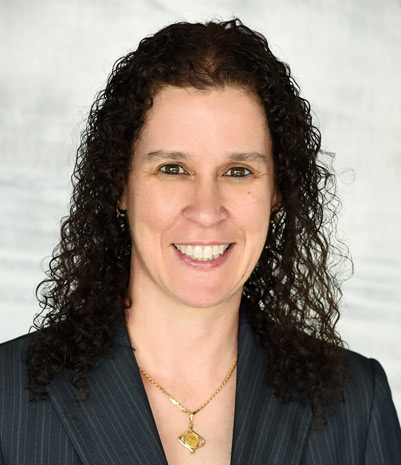
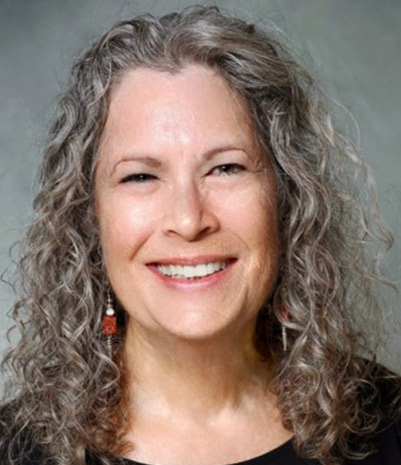
Debby Doitch & Judge Kim Hubbard
(Attorney Topic) From Supported Decision Making to Limited Conservatorship: Establishing the Right Tool for the Client
3:00 pm – 4:15 pm
Your client’s daughter turns eighteen next month. She has a developmental disability and cannot manage a bank account or make medical decisions independently. Another parent told the family they need a conservatorship or lose all authority at midnight on her birthday. They are in your office. They want you to file the petition. If your instinct is to file, this session will change how you practice.
Limited conservatorship may be the right answer. But reaching for it first, without working through less restrictive alternatives, means restricting a human being’s liberty when another tool would have done the job. Courts now require you to demonstrate you considered the alternatives. This session makes sure you can.
We work through every available tool in the order you should consider it: supported decision-making agreements drafted to actually work in a hospital; powers of attorney for healthcare and finances and the capacity each requires; advance health care directives and HIPAA authorizations as standalone instruments; representative payee designations for SSI and SSDI recipients; and, finally, limited conservatorship—what the petition must show, what the Regional Center report must say, and what the court requires you to have ruled out before it grants the powers requested.
Your client’s daughter turns eighteen next month. She has a developmental disability and cannot manage a bank account or make medical decisions independently. Another parent told the family they need a conservatorship or lose all authority at midnight on her birthday. They are in your office. They want you to file the petition. If your instinct is to file, this session will change how you practice.
Limited conservatorship may be the right answer. But reaching for it first, without working through less restrictive alternatives, means restricting a human being’s liberty when another tool would have done the job. Courts now require you to demonstrate you considered the alternatives. This session makes sure you can.
We work through every available tool in the order you should consider it: supported decision-making agreements drafted to actually work in a hospital; powers of attorney for healthcare and finances and the capacity each requires; advance health care directives and HIPAA authorizations as standalone instruments; representative payee designations for SSI and SSDI recipients; and, finally, limited conservatorship—what the petition must show, what the Regional Center report must say, and what the court requires you to have ruled out before it grants the powers requested.
Break Visit with Exhibitors
4:15 pm – 4:30 pm.
Sponsored by:
Sponsored by:
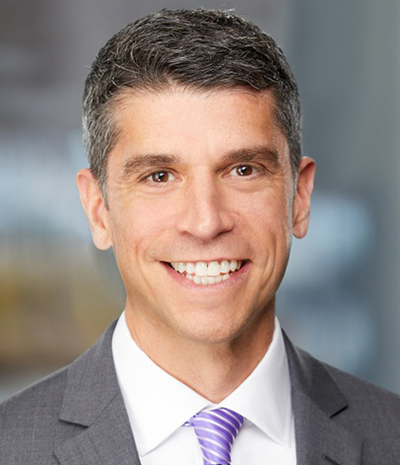
Daniel Cutter and Lisa Soloway
(Fiduciary Topic) The SNT Investment Policy Statement: Building One, Living By It, and Defending It
4:30 pm – 5:30 pm.
You did not pick the stocks. Your advisor did. When the accounting is contested, when the family hires counsel, when a remainder beneficiary starts asking questions, none of that will matter. The question will be whether you had an Investment Policy Statement, whether it fit the trust, and whether you actually followed it. That document is the difference between a defensible administration and a difficult one.
This workshop builds an IPS from scratch. An investment advisor and a fiduciary will work through the provisions that decide cases: the time horizon driven by the beneficiary’s life, the liquidity reserve driven by the distribution pattern, the allocation driven by the size of the trust, and the constraints driven by SSI and Medi-Cal. You will see how the document changes for a small account, a settlement funded first party trust, and a multigenerational third party trust. You will see how to keep it alive once it is signed, because an IPS the fiduciary does not follow is worse than no IPS at all. And you will see how it plays when it matters, in a contested accounting where the gap between what the policy said and what the file shows is the case. You will leave with a template, a checklist, and the documentation habits that make the IPS work for you when someone challenges the administration.
You did not pick the stocks. Your advisor did. When the accounting is contested, when the family hires counsel, when a remainder beneficiary starts asking questions, none of that will matter. The question will be whether you had an Investment Policy Statement, whether it fit the trust, and whether you actually followed it. That document is the difference between a defensible administration and a difficult one.
This workshop builds an IPS from scratch. An investment advisor and a fiduciary will work through the provisions that decide cases: the time horizon driven by the beneficiary’s life, the liquidity reserve driven by the distribution pattern, the allocation driven by the size of the trust, and the constraints driven by SSI and Medi-Cal. You will see how the document changes for a small account, a settlement funded first party trust, and a multigenerational third party trust. You will see how to keep it alive once it is signed, because an IPS the fiduciary does not follow is worse than no IPS at all. And you will see how it plays when it matters, in a contested accounting where the gap between what the policy said and what the file shows is the case. You will leave with a template, a checklist, and the documentation habits that make the IPS work for you when someone challenges the administration.
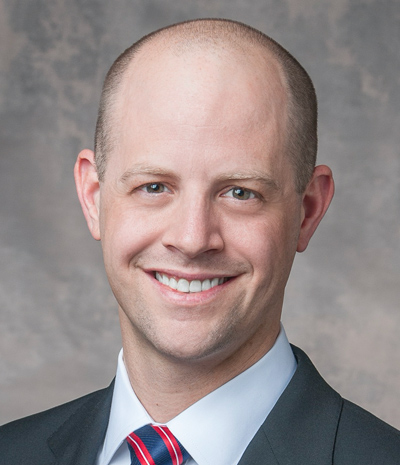
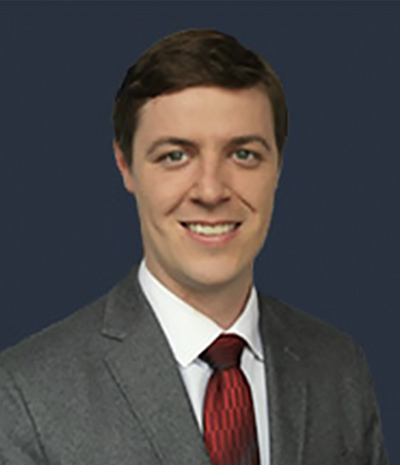
Josh Brothers & Will Doyle
(Attorney Topic) Trust, Pool, ABLE, or Spend Down? A Decision Framework for First-Party Assets
4:30 pm – 5:30 pm.
When a person with a disability comes into money of their own, the planning question is no longer simply "do we need a trust?" It is: which combination of tools best protects eligibility while giving the beneficiary the most autonomy, flexibility, and quality of life?
This session examines the full landscape of options available when the assets belong to the beneficiary. We will cover the first-party (d)(4)(A) special needs trust, pooled (d)(4)(C) trusts, ABLE accounts, structured settlements, and the interplay among all of them. For each tool, we will address when it is the right choice, when it is not, and how to combine them for maximum benefit. We will also cover the threshold questions that arise before any planning begins: Does this person actually need benefits protection? Which benefits are at stake? What is the cost of protection versus the cost of losing eligibility? And how do you counsel a client or family that may not fully understand the trade-offs?
When a person with a disability comes into money of their own, the planning question is no longer simply "do we need a trust?" It is: which combination of tools best protects eligibility while giving the beneficiary the most autonomy, flexibility, and quality of life?
This session examines the full landscape of options available when the assets belong to the beneficiary. We will cover the first-party (d)(4)(A) special needs trust, pooled (d)(4)(C) trusts, ABLE accounts, structured settlements, and the interplay among all of them. For each tool, we will address when it is the right choice, when it is not, and how to combine them for maximum benefit. We will also cover the threshold questions that arise before any planning begins: Does this person actually need benefits protection? Which benefits are at stake? What is the cost of protection versus the cost of losing eligibility? And how do you counsel a client or family that may not fully understand the trade-offs?
Day Two
Friday, Feb. 5th, 2027
Gourmet
Full Breakfast
7:00 a.m. – 8:00 a.m.
Sponsored by:
Sponsored by:
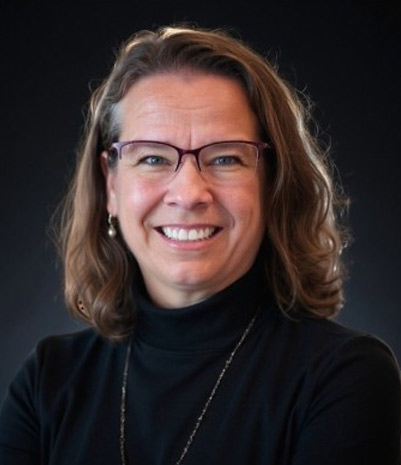
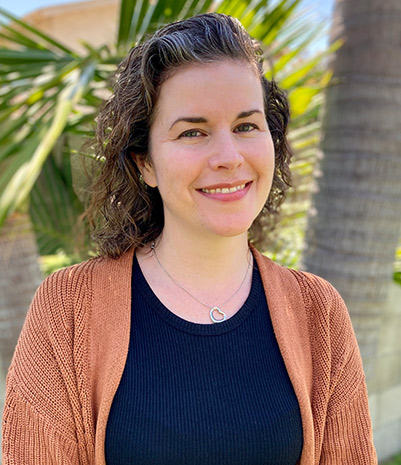
Erin Prangley & Maura Gibney
When the Safety Net Shrinks: Federal Medicaid Cuts, California’s Response, and the Future of Special Needs Trust Planning
8:00 a.m. – 9:15 a.m.
A trillion dollars in proposed Medicaid cuts. Work requirements. Per capita caps. Block grants. The ground is shifting fast, and for California practitioners whose clients depend on Medi-Cal, the question is no longer whether these changes will affect your planning. It is how much.
In this session, leading public benefits advocates will cut through the noise and tell us what is at risk, which services and supports are most vulnerable, and where the gaps are likely to hit hardest. They will walk us through how California is responding, what Medi-Cal changes are already in motion, and what may be coming next. Most importantly, they will help us see the landscape from the beneficiary’s perspective, the services families count on, the supports that may disappear, and the real human cost when funding dries up.
You will walk away knowing exactly which unmet needs your clients may be facing so you can plan accordingly. If you advise families with special needs beneficiaries, this session is one you cannot afford to miss.
A trillion dollars in proposed Medicaid cuts. Work requirements. Per capita caps. Block grants. The ground is shifting fast, and for California practitioners whose clients depend on Medi-Cal, the question is no longer whether these changes will affect your planning. It is how much.
In this session, leading public benefits advocates will cut through the noise and tell us what is at risk, which services and supports are most vulnerable, and where the gaps are likely to hit hardest. They will walk us through how California is responding, what Medi-Cal changes are already in motion, and what may be coming next. Most importantly, they will help us see the landscape from the beneficiary’s perspective, the services families count on, the supports that may disappear, and the real human cost when funding dries up.
You will walk away knowing exactly which unmet needs your clients may be facing so you can plan accordingly. If you advise families with special needs beneficiaries, this session is one you cannot afford to miss.
Break Visit with Exhibitors
9:30 a.m. – 9:50 a.m.
Sponsored by:
MassMutual Special Care
Sponsored by:
MassMutual Special Care
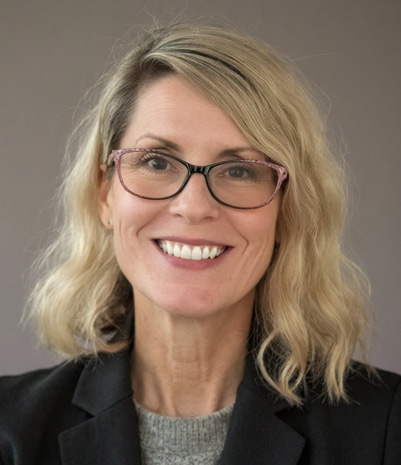
Meghan Henry & Kevin Urbatsch
Crossing Borders: How State Variations in Public Benefits Impact California Planning?
9:50 am– 10:55 am.
Every California planner eventually faces a client situation that California law alone cannot answer. A family moves here from another state with a trust drafted under rules that do not apply in California. A California family is considering a move and wants to know what they will gain and what they will lose. A trust is being drafted for a family whose adult beneficiary will eventually live with a sibling in another state. A planner is deciding whether to draft for California forever or to draft for portability.
This session is built around those situations. We will work through the variations that matter when a client crosses a state line, including eligibility rules, waiver waitlists, residential service models, and the recovery and lien regimes that can quietly consume a trust at the beneficiary’s death. We will take on forum shopping directly, including the families who relocate and gain, the families who relocate and lose, and the ethical limits on the advice a planner can give when the question is asked.
Attendees will leave with a framework for onboarding a family that has just arrived from another state, advising a California family considering a move, drafting for a family whose plan will span more than one jurisdiction, and building the out of state referral network that keeps the advice from stopping at the California line.
Every California planner eventually faces a client situation that California law alone cannot answer. A family moves here from another state with a trust drafted under rules that do not apply in California. A California family is considering a move and wants to know what they will gain and what they will lose. A trust is being drafted for a family whose adult beneficiary will eventually live with a sibling in another state. A planner is deciding whether to draft for California forever or to draft for portability.
This session is built around those situations. We will work through the variations that matter when a client crosses a state line, including eligibility rules, waiver waitlists, residential service models, and the recovery and lien regimes that can quietly consume a trust at the beneficiary’s death. We will take on forum shopping directly, including the families who relocate and gain, the families who relocate and lose, and the ethical limits on the advice a planner can give when the question is asked.
Attendees will leave with a framework for onboarding a family that has just arrived from another state, advising a California family considering a move, drafting for a family whose plan will span more than one jurisdiction, and building the out of state referral network that keeps the advice from stopping at the California line.
Break Visit with Exhibitors
10:55 am – 11:15 am.
Sponsored by:
Sponsored by:
Networking Lunch
12:30 pm – 1:30 pm
Sponsored by:
Star Care
Sponsored by:
Star Care

Break Visit with Exhibitors
2:45 p.m. – 3:05 p.m.
sponsored by:
sponsored by:
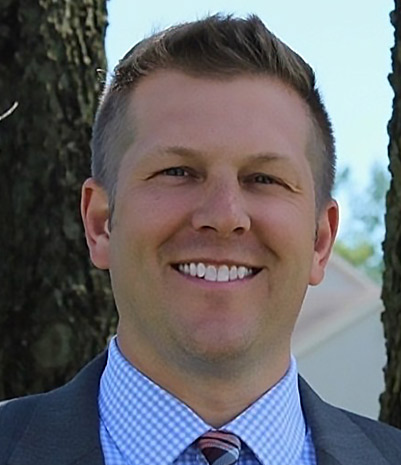
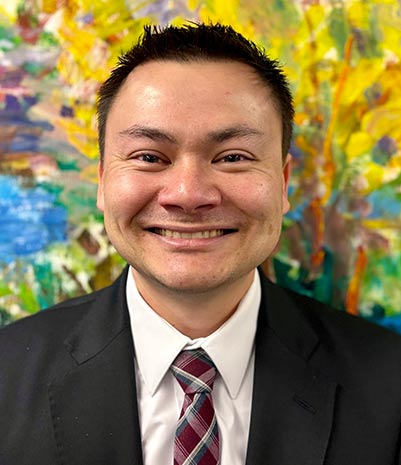
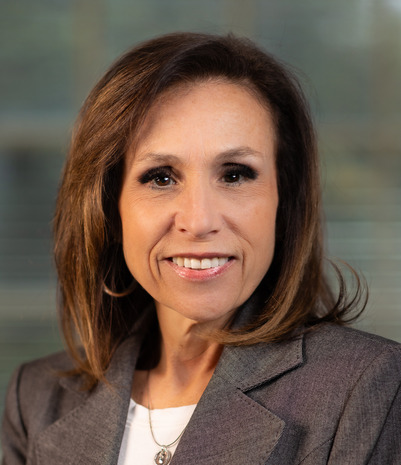
Eric Ochmanek, Thomas Martin & Kelly Piacenti
ABLE Accounts Reimagined: Navigating the Biggest Changes in a Decade
3:05 p.m. – 4:20 p.m.
The ABLE landscape has fundamentally shifted. A rapid series of federal reforms between 2025 and 2027 expanded who qualifies, how much they can save, and why it pays to contribute. With the eligibility age now at 46, contribution limits raised, permanent ABLE-to-Work and 529 rollover provisions, and the enhanced Saver’s Credit kicking in this year, these accounts are no longer a niche tool. They are a core component of disability planning, especially when paired with a special needs trust. Used together, the trust holds and protects larger assets while the ABLE account gives the beneficiary direct access to funds for everyday qualified expenses. This session offers attorneys and licensed fiduciaries what they need to advise clients confidently in this new environment.
We will cover how to identify newly eligible clients and open the conversation, coordinate ABLE accounts with special needs trusts for maximum flexibility, navigate California’s Medicaid payback exemption and CalABLE’s latest platform features, apply the 2027 Saver’s Credit strategically for lower-income beneficiaries, and avoid the common missteps that can jeopardize SSI and Medi-Cal eligibility. Expect real-world scenarios, California-specific guidance, and strategies you can put to work immediately.
The ABLE landscape has fundamentally shifted. A rapid series of federal reforms between 2025 and 2027 expanded who qualifies, how much they can save, and why it pays to contribute. With the eligibility age now at 46, contribution limits raised, permanent ABLE-to-Work and 529 rollover provisions, and the enhanced Saver’s Credit kicking in this year, these accounts are no longer a niche tool. They are a core component of disability planning, especially when paired with a special needs trust. Used together, the trust holds and protects larger assets while the ABLE account gives the beneficiary direct access to funds for everyday qualified expenses. This session offers attorneys and licensed fiduciaries what they need to advise clients confidently in this new environment.
We will cover how to identify newly eligible clients and open the conversation, coordinate ABLE accounts with special needs trusts for maximum flexibility, navigate California’s Medicaid payback exemption and CalABLE’s latest platform features, apply the 2027 Saver’s Credit strategically for lower-income beneficiaries, and avoid the common missteps that can jeopardize SSI and Medi-Cal eligibility. Expect real-world scenarios, California-specific guidance, and strategies you can put to work immediately.
Break Visit with Exhibitors
4:20 p.m. – 4:45 p.m.
sponsored by:
sponsored by:
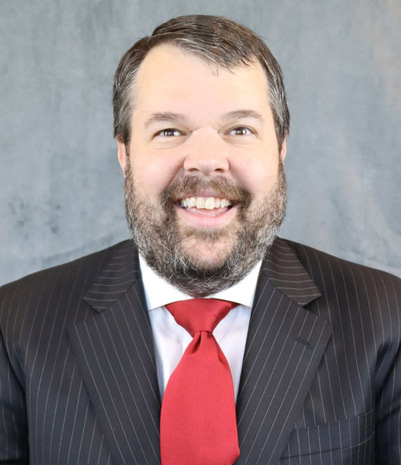
Jeffrey Williamson
Transfer Tax and Asset Protection Planning in Third Party Special Needs Trusts
4:45 pm – 6:00 pm
Most third party special needs trusts are drafted with the beneficiary’s needs in focus. That is correct. But the grantor funding the trust has interests that belong in the analysis too. This session addresses them.
We cover the distinction between incomplete gift and complete gift irrevocable trusts and the transfer tax advantages available when a gift is intentionally left incomplete. We then examine the distribution standards and spendthrift provisions that determine whether trust assets are insulated from creditor claims and what irrevocability alone does and does not accomplish.
The session closes with United States v. Huckaby, a 2026 Eastern District of California decision in which a trust designated as a Nevada Spendthrift Trust failed to shield California real property from an IRS judgment lien. The court applied California situs law, held that the self-settled structure voided the spendthrift protections, and allowed enforcement of the lien. The case illustrates directly why choice-of-law designations do not protect real property from creditors and why self-settled structures provide no meaningful asset protection under California law.
Most third party special needs trusts are drafted with the beneficiary’s needs in focus. That is correct. But the grantor funding the trust has interests that belong in the analysis too. This session addresses them.
We cover the distinction between incomplete gift and complete gift irrevocable trusts and the transfer tax advantages available when a gift is intentionally left incomplete. We then examine the distribution standards and spendthrift provisions that determine whether trust assets are insulated from creditor claims and what irrevocability alone does and does not accomplish.
The session closes with United States v. Huckaby, a 2026 Eastern District of California decision in which a trust designated as a Nevada Spendthrift Trust failed to shield California real property from an IRS judgment lien. The court applied California situs law, held that the self-settled structure voided the spendthrift protections, and allowed enforcement of the lien. The case illustrates directly why choice-of-law designations do not protect real property from creditors and why self-settled structures provide no meaningful asset protection under California law.

Party Time
Strolling Veranda Dinner
6:30 p.m. – 8:00 p.m.
Delicious hors d’oeuvres with Napa wine, craft beer and creative non-alcoholic beverages
Sponsored by:
Delicious hors d’oeuvres with Napa wine, craft beer and creative non-alcoholic beverages
Sponsored by:

Day Three
Saturday Feb. 6th, 2027
Gourmet
Full Breakfast
7:30 a.m. – 8:30 a.m.
Sponsored by:
Sponsored by:
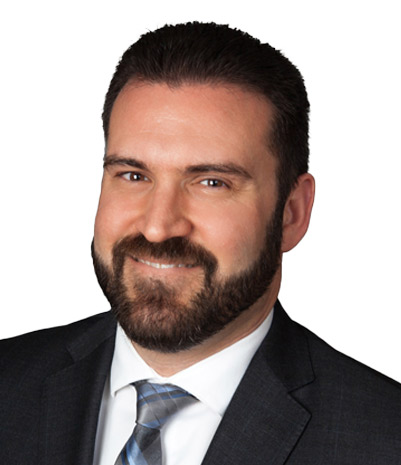
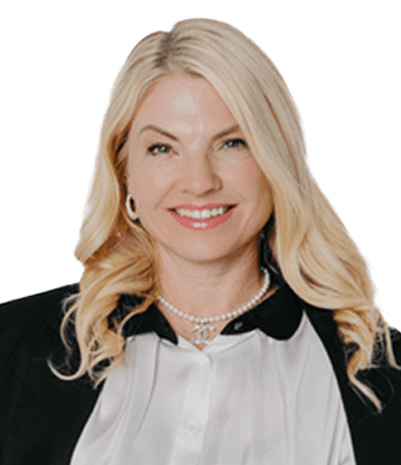
Brandon Fiely & Jeni Ahern
Fiduciary Tax Traps in Special Needs Planning: Case Studies, Hidden Pitfalls, and the Strategies That Actually Work
8:30 a.m. – 9:45 a.m.
A well-intentioned trust distribution can silently destroy a beneficiary’s public benefits, trigger cascading tax phase-outs, or eliminate deductions worth more than the distribution itself. This session uses real-world case studies to expose the fiduciary decision points where tax planning and benefits preservation collide, and where getting it wrong creates liability.
Presenters will demonstrate how routine year-end distributions can push beneficiaries past critical income thresholds, triggering the Senior Bonus phase-out (a hidden 6% surtax for every $1,000 over the cliff), washing away expanded SALT deduction benefits, and, most dangerously, breaching California’s Medi-Cal asset limits, which can cost a beneficiary $60,000 or more per year in specialized medical coverage. With the current $130,000 individual asset limit scheduled to drop to just $21,000 on July 1, 2027, fiduciaries face an urgent planning window where every distribution decision carries amplified consequences.
Through detailed case studies, attendees will learn a coordinated strategy for third-party special needs trusts that combines ABLE account contributions with asset-ceiling preservation to eliminate trust-level tax drag without jeopardizing SSI or Medi-Cal eligibility. The session will also examine why common fiduciary tax strategies, such as the medical expense "swap" that works for non-benefit clients, become dangerous traps when the beneficiary receives means-tested benefits, where a distribution intended to preserve an IRC § 213 deduction instead triggers dollar-for-dollar SSI reductions. Additional topics include decanting considerations under Cal. Prob. Code § 15800 and the planning implications of the new 250th Anniversary Accounts for families with newborns who have disabilities.
A well-intentioned trust distribution can silently destroy a beneficiary’s public benefits, trigger cascading tax phase-outs, or eliminate deductions worth more than the distribution itself. This session uses real-world case studies to expose the fiduciary decision points where tax planning and benefits preservation collide, and where getting it wrong creates liability.
Presenters will demonstrate how routine year-end distributions can push beneficiaries past critical income thresholds, triggering the Senior Bonus phase-out (a hidden 6% surtax for every $1,000 over the cliff), washing away expanded SALT deduction benefits, and, most dangerously, breaching California’s Medi-Cal asset limits, which can cost a beneficiary $60,000 or more per year in specialized medical coverage. With the current $130,000 individual asset limit scheduled to drop to just $21,000 on July 1, 2027, fiduciaries face an urgent planning window where every distribution decision carries amplified consequences.
Through detailed case studies, attendees will learn a coordinated strategy for third-party special needs trusts that combines ABLE account contributions with asset-ceiling preservation to eliminate trust-level tax drag without jeopardizing SSI or Medi-Cal eligibility. The session will also examine why common fiduciary tax strategies, such as the medical expense "swap" that works for non-benefit clients, become dangerous traps when the beneficiary receives means-tested benefits, where a distribution intended to preserve an IRC § 213 deduction instead triggers dollar-for-dollar SSI reductions. Additional topics include decanting considerations under Cal. Prob. Code § 15800 and the planning implications of the new 250th Anniversary Accounts for families with newborns who have disabilities.
Break Visit with Exhibitors
9:45 a.m. – 10:05 a.m.
Sponsored by:
Sponsored by:
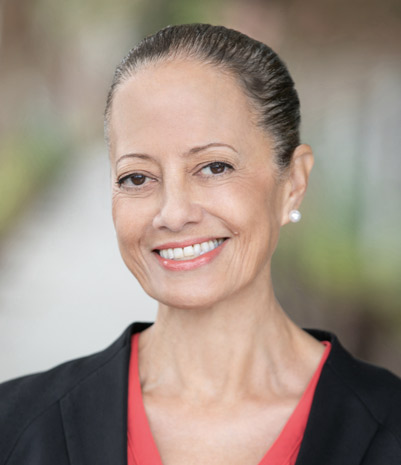
Angeli Raven Fitch
Trusting the Machine? AI, Ethics, and Human Judgment in Special Needs Planning
10:05 a.m. – 11:35 a.m..
Artificial intelligence is already transforming how attorneys, financial advisors, and professional trustees research, draft, communicate, and manage their practices. It is also changing what clients bring into the conference room: AI-generated trusts, benefits advice, planning recommendations, and confident answers that may be incomplete, outdated, or dangerously wrong.
Using the practical ESTATE framework (Evaluate, Safeguard, Trust, Assess, Tailor, and Execute), you will explore how special needs planning professionals can leverage AI while maintaining the professional judgment, individualized counseling, and human understanding their clients require. Through special-needs-specific examples and real-world scenarios, this program will address the use of AI in drafting and reviewing special needs trusts, researching public benefits, evaluating trust distributions, communicating with clients and families, supervising staff, and responding to AI-generated documents or recommendations. It will also examine confidentiality, accuracy, disability bias, informed consent, data governance, and the heightened risks when AI systems are given access to sensitive client information.
Artificial intelligence is already transforming how attorneys, financial advisors, and professional trustees research, draft, communicate, and manage their practices. It is also changing what clients bring into the conference room: AI-generated trusts, benefits advice, planning recommendations, and confident answers that may be incomplete, outdated, or dangerously wrong.
Using the practical ESTATE framework (Evaluate, Safeguard, Trust, Assess, Tailor, and Execute), you will explore how special needs planning professionals can leverage AI while maintaining the professional judgment, individualized counseling, and human understanding their clients require. Through special-needs-specific examples and real-world scenarios, this program will address the use of AI in drafting and reviewing special needs trusts, researching public benefits, evaluating trust distributions, communicating with clients and families, supervising staff, and responding to AI-generated documents or recommendations. It will also examine confidentiality, accuracy, disability bias, informed consent, data governance, and the heightened risks when AI systems are given access to sensitive client information.
Break Visit with Exhibitors
11:35 a.m. – 11:50 a.m.
Sponsored by:
Sponsored by:
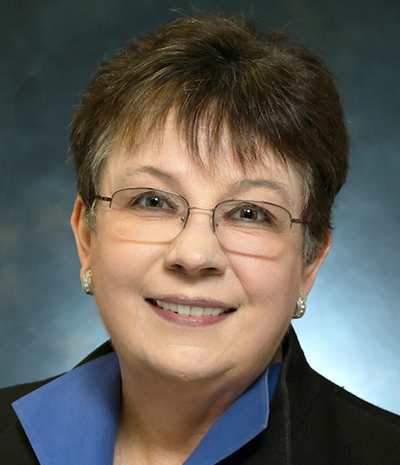
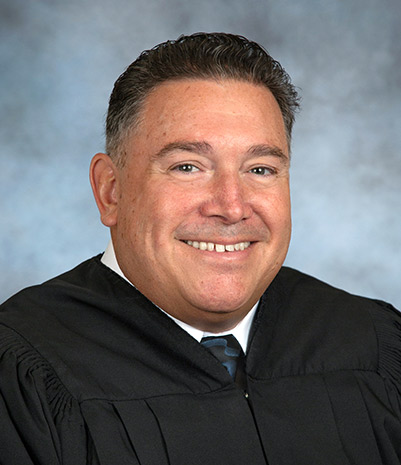
Hon. Mary Thornton House & Hon. Roger Lund
What Is…Special Needs Planning? The Symposium Jeopardy Challenge
11:50 a.m. – 1:00 p.m.
Back by popular demand, this fast-paced, interactive session transforms the most important lessons from the 11th Annual Special Needs Planning Symposium into a lively Jeopardy-style competition.
Drawing from topics presented throughout the Symposium, the categories may test contestants on special needs trust drafting and administration, SSI, Medi-Cal, ABLE accounts, fiduciary duties, court proceedings, public-benefits planning, ethics, technology, tax issues, and other developments affecting professionals who plan for and serve individuals with disabilities.
A panel of California judges will guide the competition, provide commentary, and help connect each response to the practical issues that arise in real-world special needs trust matters. Contestants will compete for points, while audience members can play along, challenge their own knowledge, and revisit the Symposium’s most important takeaways.
Expect quick questions, unexpected categories, Daily Doubles, practical insights from the bench, and a Final Jeopardy-style showdown to determine who will be crowned the 2027 Special Needs Planning Jeopardy Champion.
Back by popular demand, this fast-paced, interactive session transforms the most important lessons from the 11th Annual Special Needs Planning Symposium into a lively Jeopardy-style competition.
Drawing from topics presented throughout the Symposium, the categories may test contestants on special needs trust drafting and administration, SSI, Medi-Cal, ABLE accounts, fiduciary duties, court proceedings, public-benefits planning, ethics, technology, tax issues, and other developments affecting professionals who plan for and serve individuals with disabilities.
A panel of California judges will guide the competition, provide commentary, and help connect each response to the practical issues that arise in real-world special needs trust matters. Contestants will compete for points, while audience members can play along, challenge their own knowledge, and revisit the Symposium’s most important takeaways.
Expect quick questions, unexpected categories, Daily Doubles, practical insights from the bench, and a Final Jeopardy-style showdown to determine who will be crowned the 2027 Special Needs Planning Jeopardy Champion.
Thank you
Grand Prize Drawing
1:00pm
Thank You Esteemed Attendees, Sponsors, and Exhibitors
Thank You Esteemed Attendees, Sponsors, and Exhibitors